



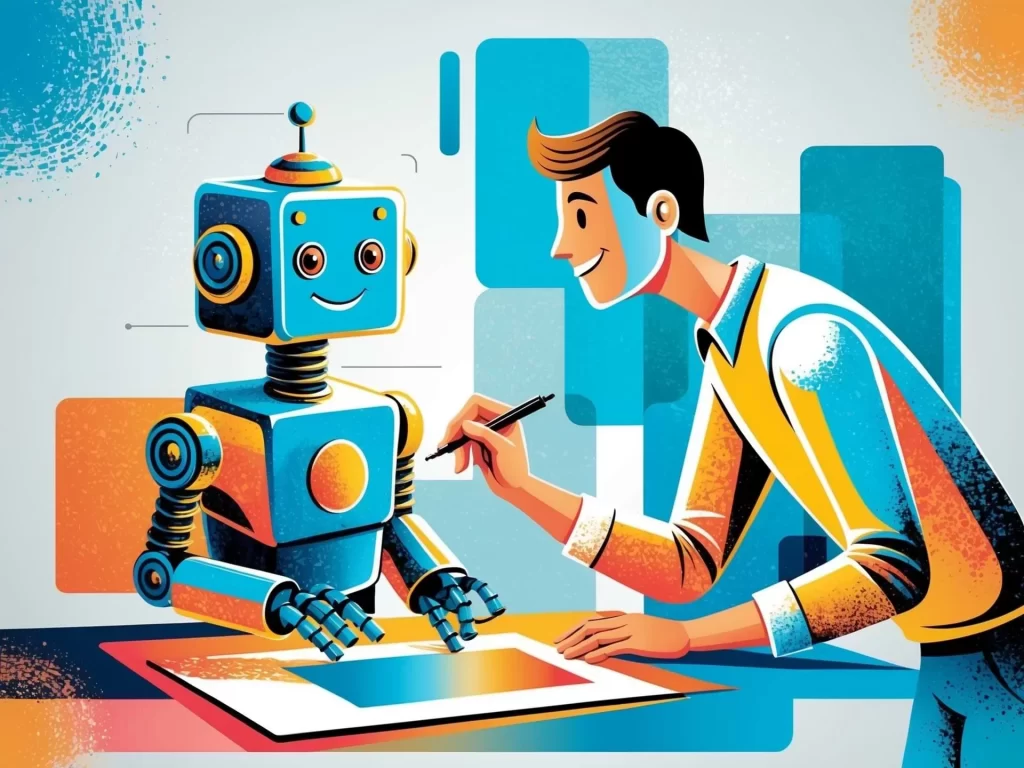
Artificial Intelligence (AI) is transforming the advertising and marketing landscape at an unprecedented pace. From hyper-personalized customer experiences to predictive analytics and automated content creation, AI is redefining how brands connect with their audiences. As businesses strive to stay ahead of the competition, AI-powered solutions are no longer optional—they’re essential.
AI’s Role in Advertising and Marketing
-
Personalization at Scale
AI enables brands to deliver highly personalized experiences to consumers by analyzing vast amounts of data in real time. Machine learning algorithms track user behavior, preferences, and purchase history, allowing businesses to tailor ads and content to individual users. Companies like Amazon and Netflix have set the standard for AI-driven personalization, offering recommendations based on past interactions. -
AI-Generated Content and Creativity
AI is now capable of generating high-quality marketing content, from social media posts to ad copy and even video scripts. Tools like OpenAI’s ChatGPT and DALL·E, as well as platforms like Jasper and Copy.ai, enable brands to automate content creation without sacrificing creativity. AI-assisted video editing and deepfake technology are also being used to enhance storytelling and engagement. -
Predictive Analytics for Smarter Decisions
AI-powered predictive analytics help marketers anticipate customer needs and trends before they happen. By analyzing historical data, AI can predict which marketing strategies will be most effective, optimizing ad spend and maximizing ROI. Google and Facebook’s AI-driven ad platforms continuously refine targeting to ensure the best results for advertisers. -
Programmatic Advertising & Real-Time Bidding
AI is revolutionizing ad placement through programmatic advertising, where machine learning algorithms buy and place ads in milliseconds. This automated process ensures that the right ad reaches the right person at the right time, improving efficiency and reducing costs. AI-driven platforms like Google Ads and The Trade Desk use real-time bidding (RTB) to optimize ad performance. -
Chatbots and Conversational AI
AI-powered chatbots and virtual assistants are improving customer interactions by providing instant responses and personalized recommendations. Brands like Sephora and H&M use AI chatbots to engage customers, guide them through purchasing decisions, and enhance customer service experiences. -
AI-Powered Image and Video Recognition
Visual AI is playing a key role in modern advertising. Platforms like Google Lens and Pinterest use AI-powered image recognition to enhance shopping experiences, allowing consumers to search for products through images rather than text. AI-generated video ads and dynamic creatives are also becoming more popular, making advertising more interactive and engaging.
The Challenges of AI in Advertising and Marketing
Despite its advantages, AI in advertising and marketing comes with challenges:
- Privacy and Data Security: With stricter data protection regulations like GDPR and CCPA, companies must ensure they use AI responsibly while maintaining consumer trust.
- Bias in AI Algorithms: AI systems are only as good as the data they’re trained on. Bias in AI can lead to unfair targeting, exclusion, or unintended messaging errors.
- Balancing Automation with Human Creativity: While AI can generate content, creativity and emotional intelligence remain uniquely human attributes. The best marketing strategies blend AI-driven efficiency with human storytelling.
The Future of AI in Advertising and Marketing
As AI continues to evolve, its role in advertising and marketing will only expand. Future innovations include:
- AI-powered voice and AR advertising for more immersive brand experiences.
- Advanced deep learning models that refine audience targeting with even greater precision.
- Ethical AI frameworks to ensure transparency and responsible AI use.
AI is no longer a futuristic concept—it’s the present and future of marketing. Brands that embrace AI-driven advertising strategies will not only gain a competitive edge but also redefine how businesses engage with consumers in an increasingly digital world.